
How to Check If Your Email Has Been Hacked
Learn how to check if your email has been hacked, identify warning signs, review login activity, find data breaches, and secure your account before hackers cause damage.
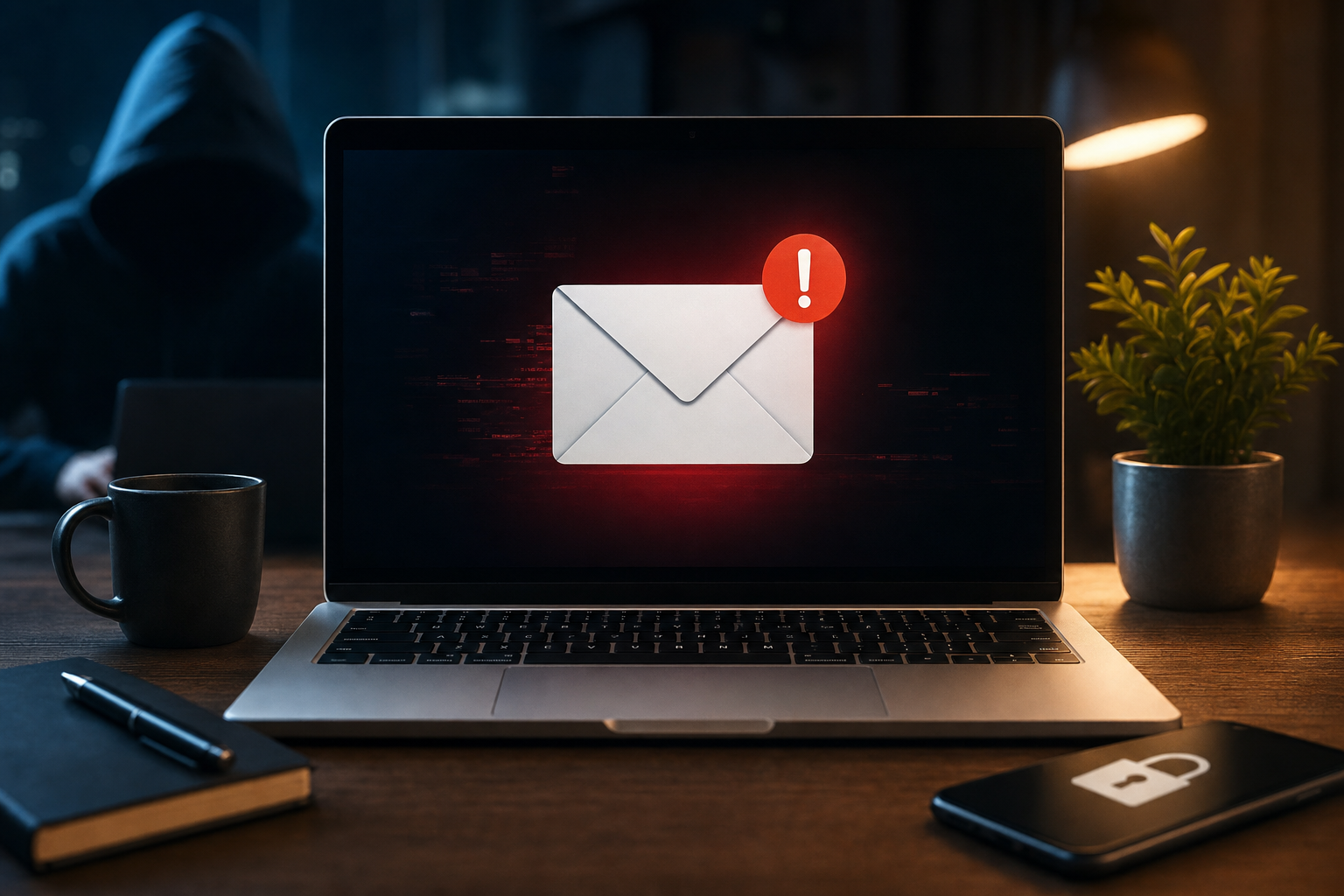
How to Check If Your Email Has Been Hacked
Quick Answer
If you think your email has been hacked, check for unexpected password reset emails, unknown login locations, messages you didn't send, security alerts, changed recovery information, and suspicious account activity. Review your recent sign-ins, change your password immediately, and enable two-factor authentication.
Why Your Email Account Matters
Your email account is the center of your online identity. Most websites use email addresses for account creation, password recovery, security notifications, billing updates, and communication.
If a hacker gains access to your email account, they may be able to access many of your other online accounts. In some cases, a compromised email account can lead to identity theft, financial fraud, or the loss of sensitive personal information.
For this reason, learning how to identify a hacked email account is one of the most important online security skills.
Can an Email Account Be Hacked?
Yes.
Cybercriminals use a variety of methods to gain access to email accounts, including:
- Data breaches
- Phishing attacks
- Malware infections
- Password reuse
- Weak passwords
- Fake login pages
- Social engineering attacks
Even security-conscious users can become victims if their credentials are exposed in a breach.
15 Signs Your Email Has Been Hacked
1. Password Reset Emails You Didn't Request
Receiving password reset emails from services you never attempted to access is one of the most common warning signs.
2. Your Password No Longer Works
If you suddenly cannot sign in and are certain you entered the correct password, an attacker may have changed it.
3. Suspicious Emails in Your Sent Folder
Review your Sent folder regularly. Spam, phishing emails, or unknown messages may indicate unauthorized access.
4. Friends Receive Strange Emails From You
Compromised accounts are often used to send spam and scams to contacts.
5. Security Alerts From Your Email Provider
Many providers notify users about suspicious sign-in attempts or account changes.
6. Unknown Login Locations
Most email services provide account activity logs. Look for countries, cities, or devices you do not recognize.
7. Recovery Email Changes
Hackers frequently change recovery information to lock legitimate users out.
8. Missing Emails
Attackers may delete emails to hide evidence.
9. New Inbox Rules
Hidden forwarding rules are commonly used to monitor incoming messages.
10. New Device Sign-ins
Review authorized devices and remove anything unfamiliar.
11. Unusual Security Notifications
Unexpected alerts regarding password changes, app access, or security updates should be investigated.
12. Increased Spam Activity
A sudden increase in spam may indicate your address has been exposed.
13. Linked Accounts Become Compromised
If social media or shopping accounts begin showing suspicious activity, your email may be the source of the problem.
14. Unexpected Two-Factor Authentication Requests
Receiving verification codes you did not request can indicate someone is attempting to access your account.
15. Unauthorized Purchases or Billing Emails
Unexpected receipts and account notifications should never be ignored.
How Hackers Gain Access to Email Accounts
Phishing Attacks
Phishing emails attempt to trick users into entering passwords on fake websites.
Data Breaches
When a website suffers a breach, usernames and passwords may be leaked.
Password Reuse
Using the same password across multiple websites increases risk.
Malware
Malicious software can capture passwords and login details.
Public Wi‑Fi Risks
Unsecured networks can expose users to various security threats.
How to Check if Your Email Was Found in a Data Breach
Many hacked accounts originate from previously exposed credentials.
If your email appears in a breach:
- Change your password immediately.
- Enable two-factor authentication.
- Update passwords on any accounts using the same password.
- Monitor account activity closely.
Checking breach exposure regularly is a good security habit.
How to Check Recent Login Activity
Gmail
- Open Gmail.
- Scroll to the bottom of your inbox.
- Select Last Account Activity.
- Review devices and locations.
Outlook
- Sign into your Microsoft account.
- Open Security Settings.
- Review recent activity.
- Investigate unfamiliar sign-ins.
Yahoo Mail
- Open Account Security.
- Review recent activity.
- Remove unknown devices.
Apple Mail and iCloud
- Open Apple ID settings.
- Review trusted devices.
- Remove anything unfamiliar.
What To Do Immediately if Your Email Has Been Hacked
Step 1: Change Your Password
Choose a unique password that is difficult to guess.
A strong password should:
- Be at least 12 characters long.
- Include uppercase letters.
- Include lowercase letters.
- Include numbers.
- Include symbols.
Step 2: Enable Two-Factor Authentication
Two-factor authentication significantly improves security by requiring a second verification step.
Step 3: Review Recovery Settings
Verify:
- Recovery email addresses.
- Recovery phone numbers.
- Security questions.
Step 4: Check Forwarding Rules
Hackers often create forwarding rules that silently send copies of emails elsewhere.
Step 5: Review Connected Apps
Remove applications that no longer require access.
Step 6: Sign Out Everywhere
Many providers allow users to log out all active sessions.
Step 7: Scan for Malware
Run a complete security scan on your devices.
Step 8: Notify Important Contacts
If spam messages were sent from your account, warn contacts not to click suspicious links.
How to Secure Your Email After a Hack
After recovering your account, strengthen your security.
Use a Password Manager
Password managers help generate and store strong passwords.
Enable Security Notifications
Most email providers can notify you about new sign-ins and account changes.
Keep Software Updated
Security updates often patch vulnerabilities.
Review Devices Regularly
Remove old phones, tablets, and computers that no longer need access.
Avoid Clicking Suspicious Links
Always verify the legitimacy of emails before interacting with them.
Common Email Hacking Myths
Myth: Strong Passwords Make You Completely Safe
Strong passwords help, but phishing and malware can still compromise accounts.
Myth: Hackers Only Target Important People
Most attacks are automated and target millions of users.
Myth: My Email Provider Handles Everything
Providers offer protection, but users must still practice good security habits.
Myth: Two-Factor Authentication Is Unnecessary
Two-factor authentication is one of the most effective security measures available.
How Often Should You Check Email Security?
Security experts generally recommend:
- Reviewing login activity monthly.
- Updating passwords after breaches.
- Checking account recovery settings quarterly.
- Monitoring security alerts immediately.
Additional Privacy and Security Tips
To further protect your digital life:
- Use unique passwords for every account.
- Avoid reusing old passwords.
- Review browser privacy settings.
- Remove unused browser extensions.
- Use trusted security software.
- Keep devices updated.
- Secure home Wi‑Fi networks.
Frequently Asked Questions
Can someone hack my email without knowing my password?
Yes. Phishing attacks, malware, and compromised recovery settings can provide access without directly knowing your password.
How do hackers find passwords?
Common methods include phishing, malware, credential stuffing, and data breaches.
Is changing my password enough?
No. You should also review recovery settings, remove unknown devices, and enable two-factor authentication.
What should I do if my email appears in a data breach?
Immediately change your password and update any accounts using the same credentials.
Can a hacked email account be recovered?
In many cases yes, provided you act quickly and still have access to recovery options.
Key Takeaways
- Email accounts are valuable targets for cybercriminals.
- Security alerts, unknown logins, and unexpected emails are major warning signs.
- Data breaches frequently expose email credentials.
- Two-factor authentication significantly improves security.
- Reviewing account activity regularly can help detect attacks early.
- Quick action can prevent further damage.
Final Thoughts
Your email account is often the gateway to your online life. Understanding how to check if your email has been hacked can help you identify suspicious activity early, secure your accounts, and reduce the risk of identity theft and fraud.
By monitoring account activity, using strong passwords, enabling two-factor authentication, and responding quickly to warning signs, you can greatly improve your online security and protect your personal information.
Keep reading
Related posts
How to Clear Search Recommendations
Learn how to clear search recommendations in browsers, Google, YouTube, Instagram, Facebook, TikTok, and other apps by managing history, cookies, and account activity.
How to Check Incognito History on Any Device
Learn whether Incognito history can be checked on phones, tablets, computers, routers, Google accounts, and managed school or work devices.
How to Erase Incognito History Permanently
Learn how to permanently erase Incognito-related traces by closing private tabs, deleting account activity, removing downloads, and clearing browser data.